“We are no longer asking how to build models; we’re asking how to build products that use models.” — Chip Huyen, AI Engineering: Building Applications with Foundation Models
The book AI Engineering is Chip Huyen’s deep dive into how to build real-world AI applications using foundation models — the blockbusters like GPT-4, Claude, etc. It’s not just hype; it explains what actually works, what pitfalls to avoid, and how you, as a software engineer, can step into the role of “AI Engineer” with confidence.
Hello guys, AI and Large Language Models (LLMs) are transforming the software engineering landscape. While many developers use tools like ChatGPT or GitHub Copilot, understanding the engineering principles behind them is essential to stay relevant in 2026 and beyond. While there are many resources to learn about AI Engineering, Prompt Engineering and LLM Engineering, and I have also shared online courses and roadmap, books offer structured and in-depth learning that videos and blogs often lack. They are often created by true experts and authorities who have done a lot of research in that area and that's why I always include book in my learning process.
Hello guys, In today’s AI-driven world, understanding vector databases has become essential for anyone working with large language models (LLMs), recommendation engines, or retrieval-augmented generation (RAG) systems.
Traditional databases simply cannot handle the kind of semantic search required by modern AI applications. That’s where vector databases come in.
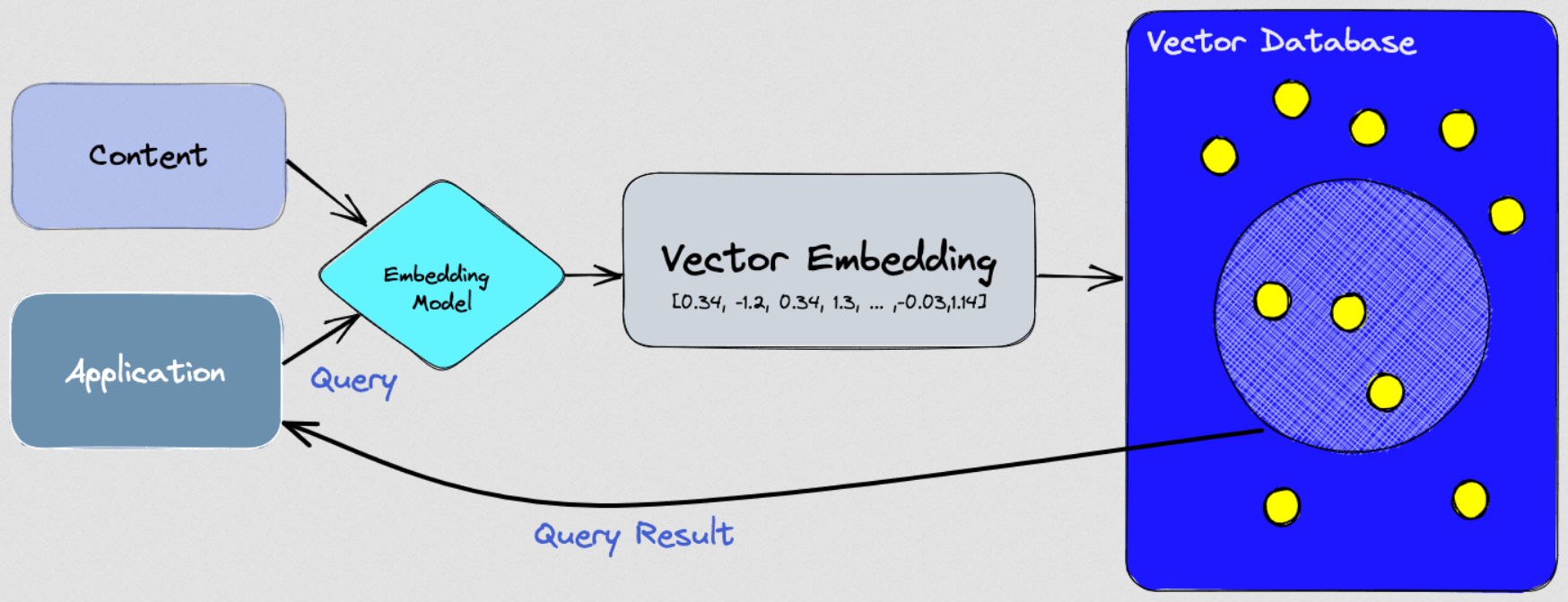
A vector database indexes and stores vector embeddings for fast retrieval and similarity search, with capabilities like CRUD operations, metadata filtering, horizontal scaling, and serverless as shown below:
Whether you’re building a chatbot that remembers conversations, a GenAI product with personalized recommendations, or an app that needs fast and relevant search — learning how to use vector databases like Pinecone, FAISS, ChromaDB, or Qdrant will give you a serious edge.
The good news? You don’t need to break the bank or attend a university course. Udemy offers some excellent and affordable courses taught by industry practitioners and AI engineers.
6 Best Udemy Courses to learn Vector Database for AI in 2026
Here are my favorite Udemy courses to learn Vector Databases like Pinecone, FAISS, ChromaDB, or Qdrant in 2026. I’ve handpicked six of these best courses that will help you master vector databases for AI/LLM projects in 2026.
This course is ideal for those who want to start from scratch. It introduces you to the power of Pinecone, Chroma, and other vector DBs in a practical, beginner-friendly way.
What you’ll learn:
Basics of vector embeddings and similarity search
Setting up Pinecone and ChromaDB
Use cases for GenAI applications
Real-world examples with modern tools
This is perfect if you’re just beginning your journey in AI and want to get a strong foundational understanding.
This is a pure beginner’s guide for those without any AI background. If terms like “embeddings” or “semantic search” sound intimidating, this is where to start.
What you’ll learn:
Basic idea of vector representations
How vector search works
Simple examples to understand use cases
Great for managers, product folks, and absolute newbies to AI.
That’s all about the top 6 Udemy courses to learn Vector Databases likePinecone, FAISS, ChromaDB, or Qdrant in 2026. In 2026, knowing how to use vector databases is not just a “nice to have”— it’s essential for developers, ML engineers, and even business teams working with AI.
These six Udemy courses offer practical knowledge at affordable prices, so you can upskill at your own pace.
Choose based on your comfort level and what you plan to build. And once you’re done, try combining them with LangChain or OpenAI APIs to really push the limits of what’s possible.
By the way, if you want to join multiple course on Udemy, its may be worth getting a Udemy Personal Plan, which will give instant access of more than 11,000 top quality Udemy courses for just $30 a month.
Thanks a lot for reading this article so far, if you like these best Vector databases courses on Udemy then please share with your friends and colleagues. If you have any feedback or questions then please drop a note.









 Posts
Posts

